
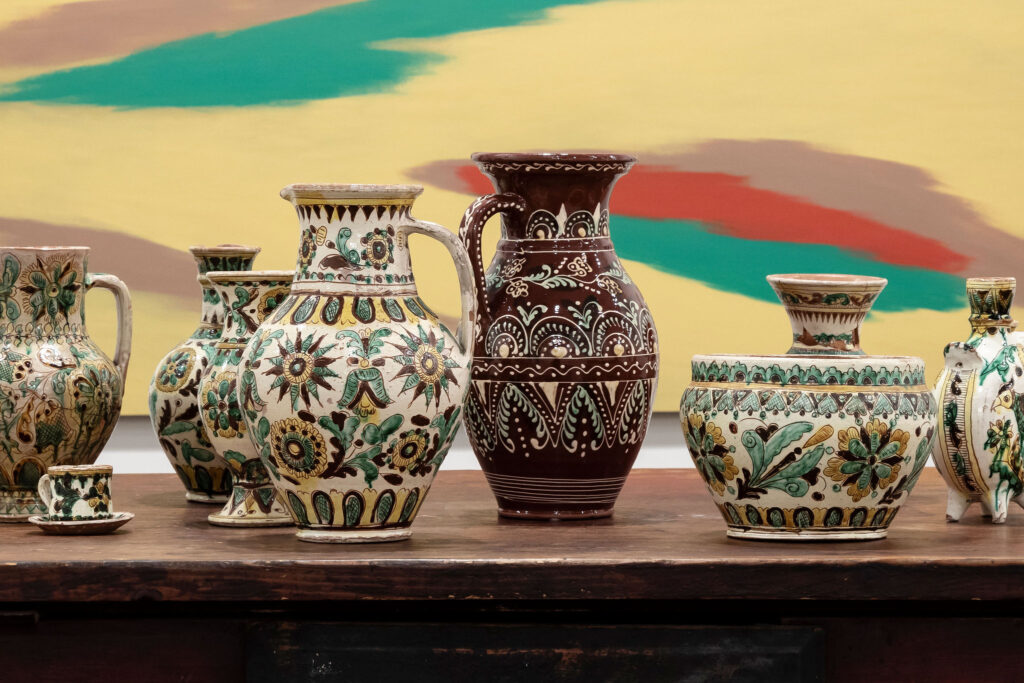
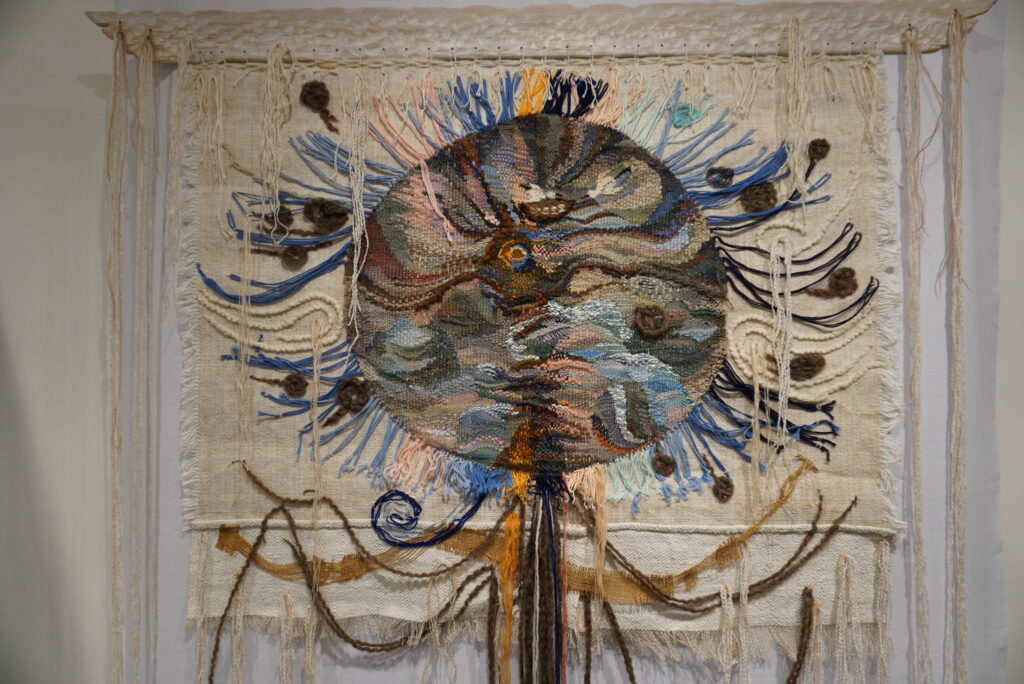
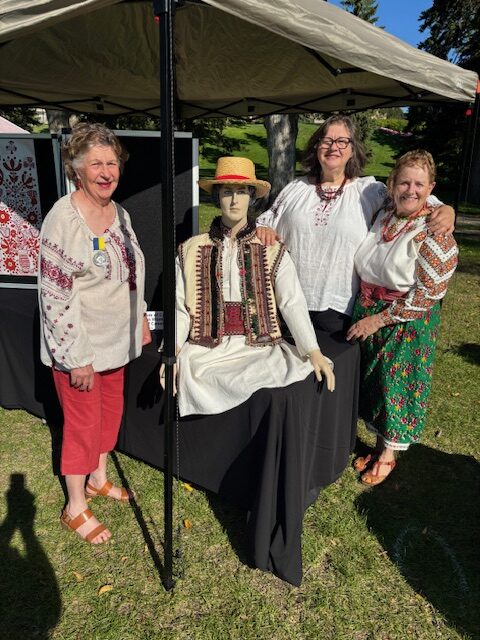
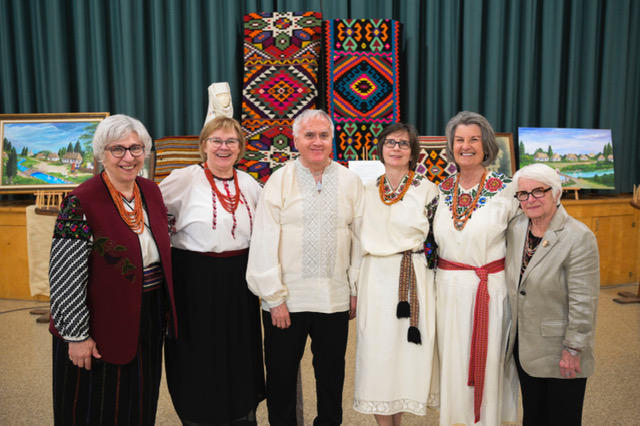

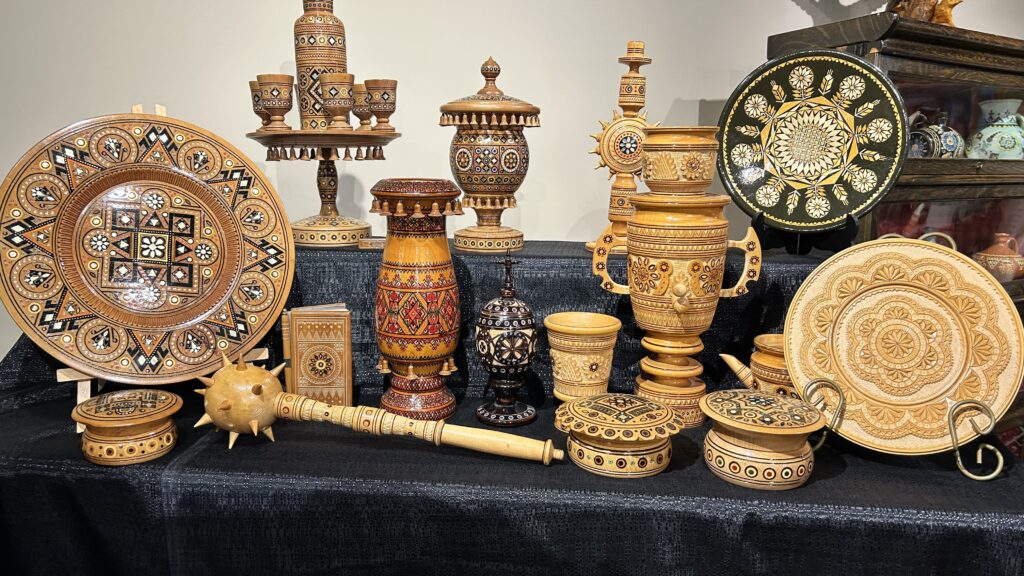
The Ukrainian Canadian community is as diverse as the individual stories of the people who pave the Ukrainian Canadian journey.
Thanks to community leaders and visionaries, in this case primarily women, the documentation of this journey was always a priority. At a time when culture and language were being oppressed in Soviet Ukraine, museums were established to preserve our Ukrainian cultural heritage and to contribute to the Canadian multicultural landscape.
Today, once again, as the attempt by Russia to extinguish Ukrainian cultural heritage intensifies, museums are invaluable touch points for Ukrainians and non-Ukrainians alike who want to either reconnect or be introduced to the resilient Ukrainian identity.
In fact, Ukrainian museums are experiencing an influx of visitors and interest from among the many newcomers who have arrived in Canada since the beginning of the full-scale invasion of Ukraine by Russia. Hoping to better understand their history and cultural traditions, they are also finding a welcoming place to call home.
Vital to the community, museums offer both a connection to our history and a springboard to our future. These community hubs are much more than the sum of the artifacts they steward. They are living legacies that educate, engage, and inspire.
TSF pays tribute to the founders of the many museums, and to the tireless volunteers who, throughout history, have lovingly nurtured our museums to be educational, accessible, and fun.
Below we offer a glimpse into a few of the many museums across Canada. We hope that we inspire you to take a closer look. You’re bound to discover cultural treasures, unravel fascinating stories, and maybe even connect with a passionate community.
Oseredok Ukrainian Cultural and Educational Centre
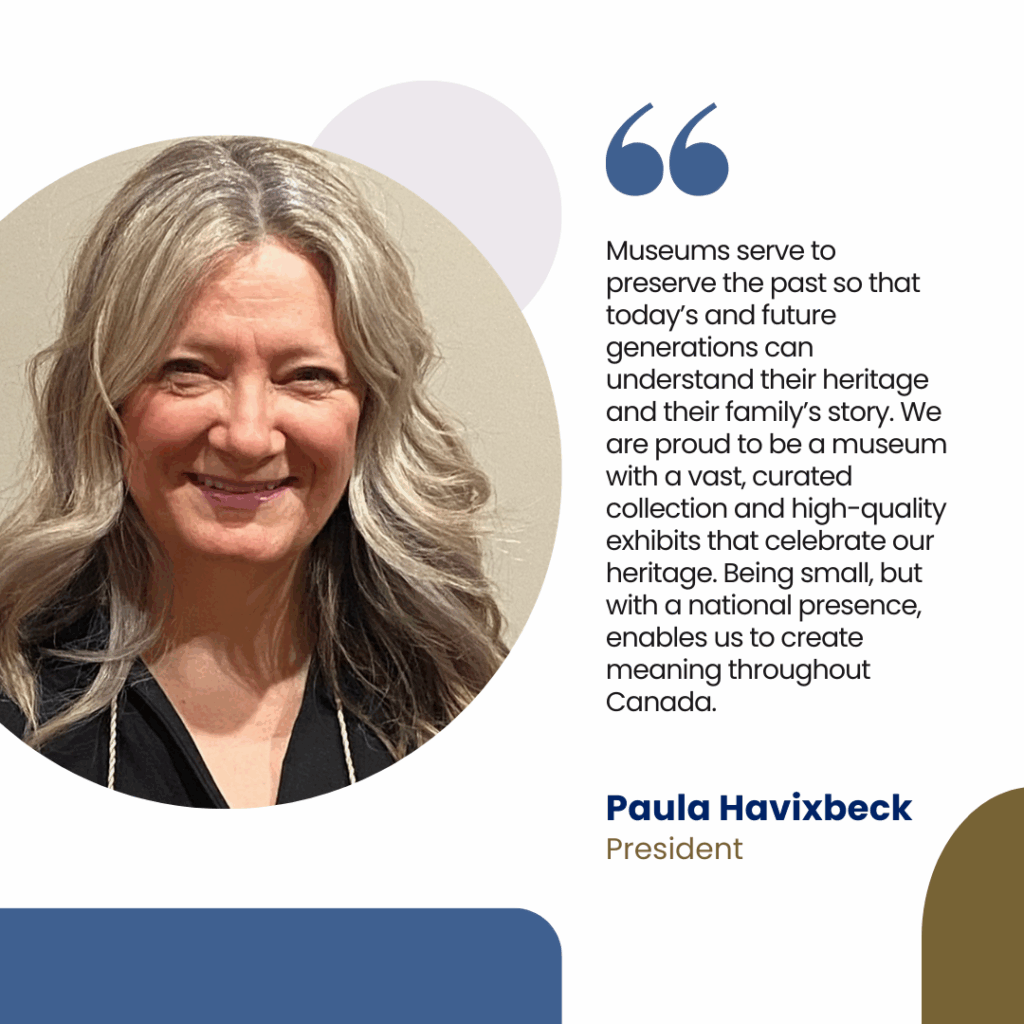
Founded in 1944, Oseredok Ukrainian Cultural and Educational Centre is one of North America’s largest heritage resource centres. Based in Winnipeg, MB, the centre includes a museum, art gallery, library, archives, and a boutique.
Oseredok prides itself on its uniqueness, which lies in pulling under one roof diverse but inter-related collections that reflect a wide range of cultural history and heritage. Oseredok is a vital source of information on Ukrainian culture, encompassing such fields of interest as history, art, music, literature, and ethnography. It is a place where the tradition inherent in the Ukrainian consciousness is preserved and transmitted to future generations.
Did you know…
- For 80 years, Oseredok has been preserving the incredible treasures of Ukrainian culture —Pysanky (Ukrainian Easter Eggs)— amassing over 4,000 pieces, the biggest collection outside Ukraine. Today, this remarkable heritage is fully digitized, cataloged, and showcased in a stunning permanent display.
- Oseredok’s archival collection is one of the richest sources of Ukrainian archival material in North America. It contains textual material related to the history of Ukrainians in Canada and the diaspora, including papers by prominent community leaders and community organizations.
LEARN MORE https://oseredok.ca/
Ukrainian Museum of Canada, National
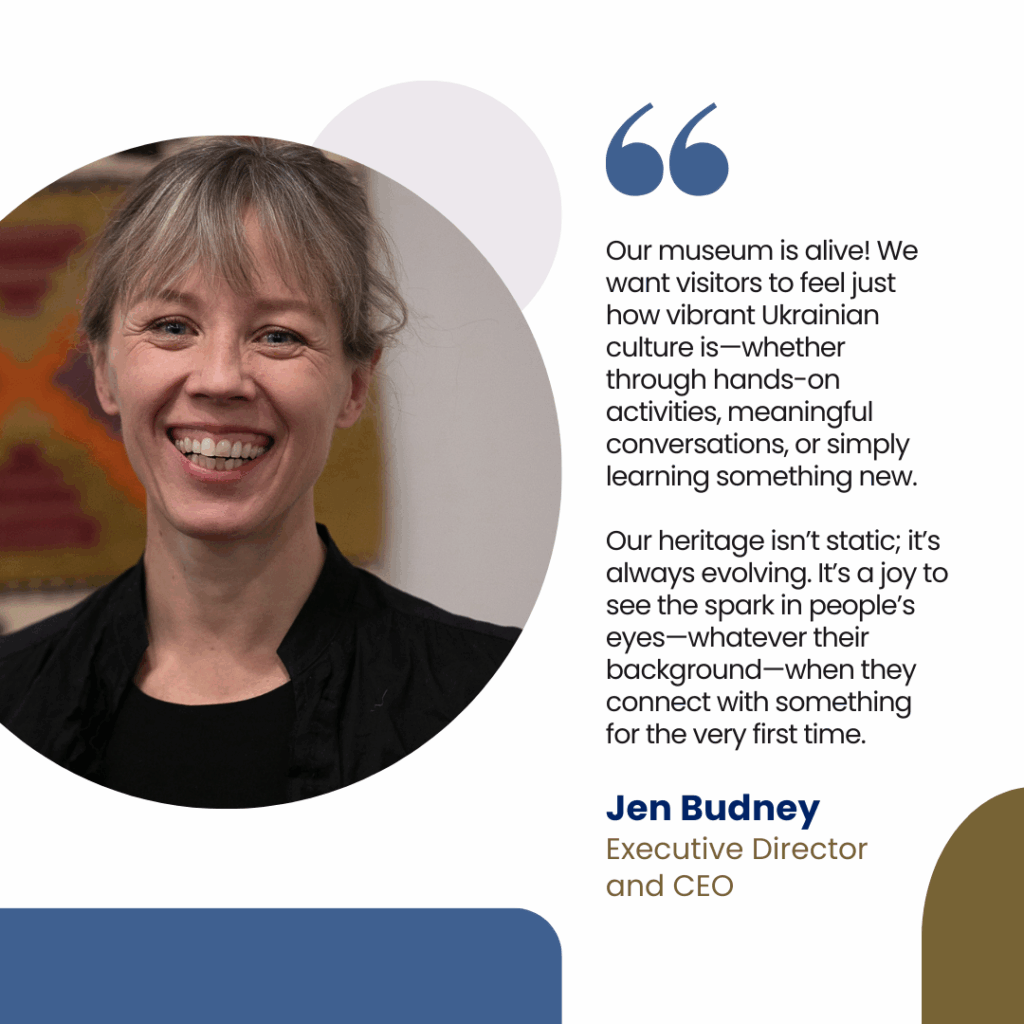
Based in Saskatoon, SK, the Ukrainian Museum of Canada (UMC) was established by the Ukrainian Women’s Association of Canada in 1936 to promote Ukrainian arts, culture, and heritage. The vision of the women who founded the museum was bold, since Ukrainian culture was not well understood or respected by most Canadians at the time. In Soviet Ukraine, following Stalin’s rise to power, Ukrainian culture and language were being violently suppressed.
Today the museum is home to one of the largest ethnic textile collections in North America, including regional folk costumes, kylym (tapestries), and vyshyvka (embroidery). It also houses a suite of 12 paintings, the Ukrainian Pioneer Women series, by the well-known artist William Kurelek, along with many works by Ukrainian Canadian folk artists Dmytro Stryek, Ann Harbuz, and others.
Did you know…
- The Saskatoon based UMC has an Artist-in-Residence Program. Local artists are invited to explore the museum’s collection and then create an extraordinary exhibition of their own work that incorporates pieces from the museum’s collection.
- UMC National has developed partnerships to broaden both its programming and its reach into the broader Saskatchewan community. These partnerships include schools and other ethnocultural communities.
LEARN MORE https://umcnational.ca/
Ukrainian Museum of Canada, Ontario Branch
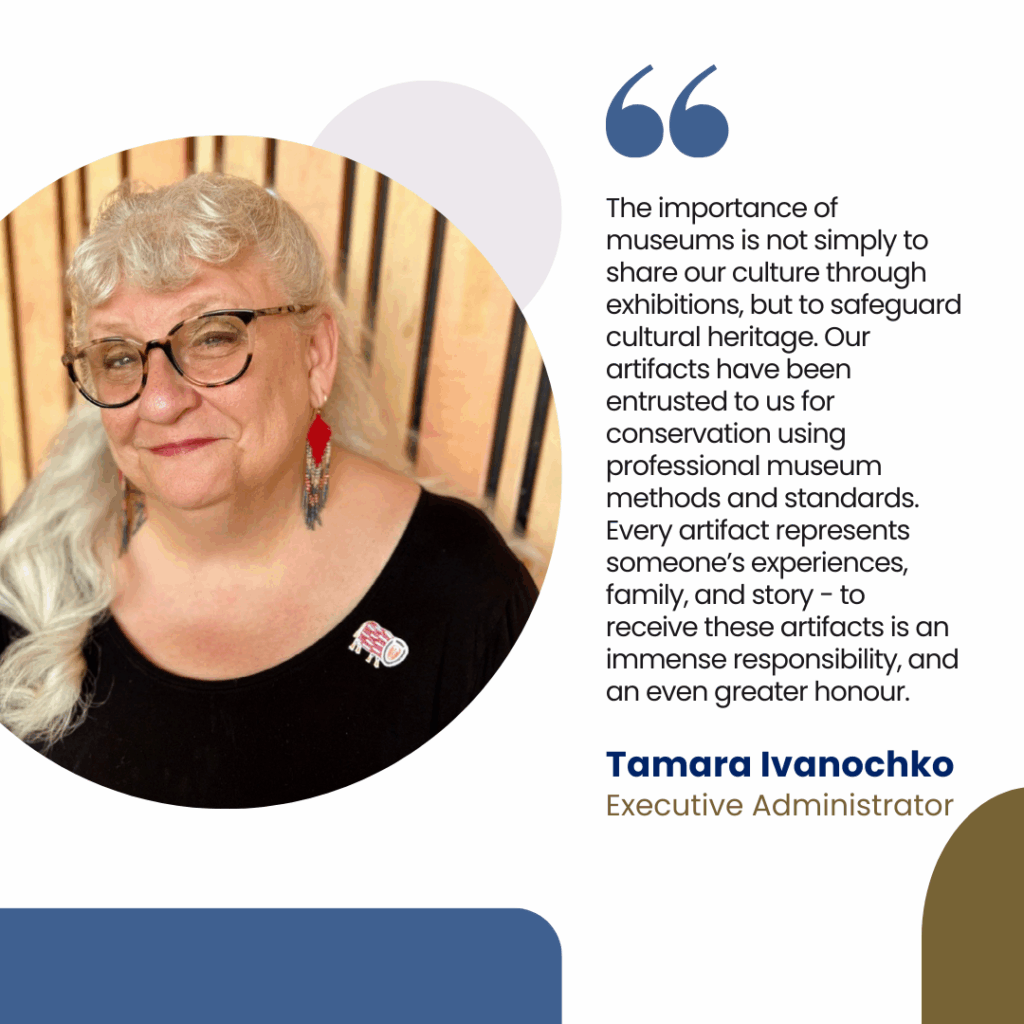
In February 1944, a small group of Canadian women gathered at St. Volodymyr Ukrainian Orthodox Cathedral in Toronto with the idea of creating a museum to preserve their Ukrainian heritage. With one embroidered sleeve remnant and $14.50 raised at a friend’s birthday celebration, the Ukrainian Museum of Canada, Ontario Branch was born.
Over the years, the modest collection of artifacts has grown exponentially with thousands of artifacts brought from the “old country” by various waves of immigration, as well as items from the vibrant Ukrainian Canadian community.
As the collections grew, so did the dedicated community of members and volunteers. Since the 1980s, Museum volunteers have produced at least one major thematic exhibit annually, complemented by special programming for school groups and others.
Did you know…
- Every exhibit at UMC Ontario is accompanied by a digital educational resource that is made available to schools and other educational organizations.
- UMC celebrated its 80th anniversary in 2025 with an exhibit titled Making a Museum. Featuring some of the most treasured (and rarely shown) artifacts from its collection, it tells the story of donors, artifacts, and the diaspora, weaving together the rich history of the Museum.
LEARN MORE https://www.umcontario.com/
Ukrainian Museum of Canada, Manitoba Branch
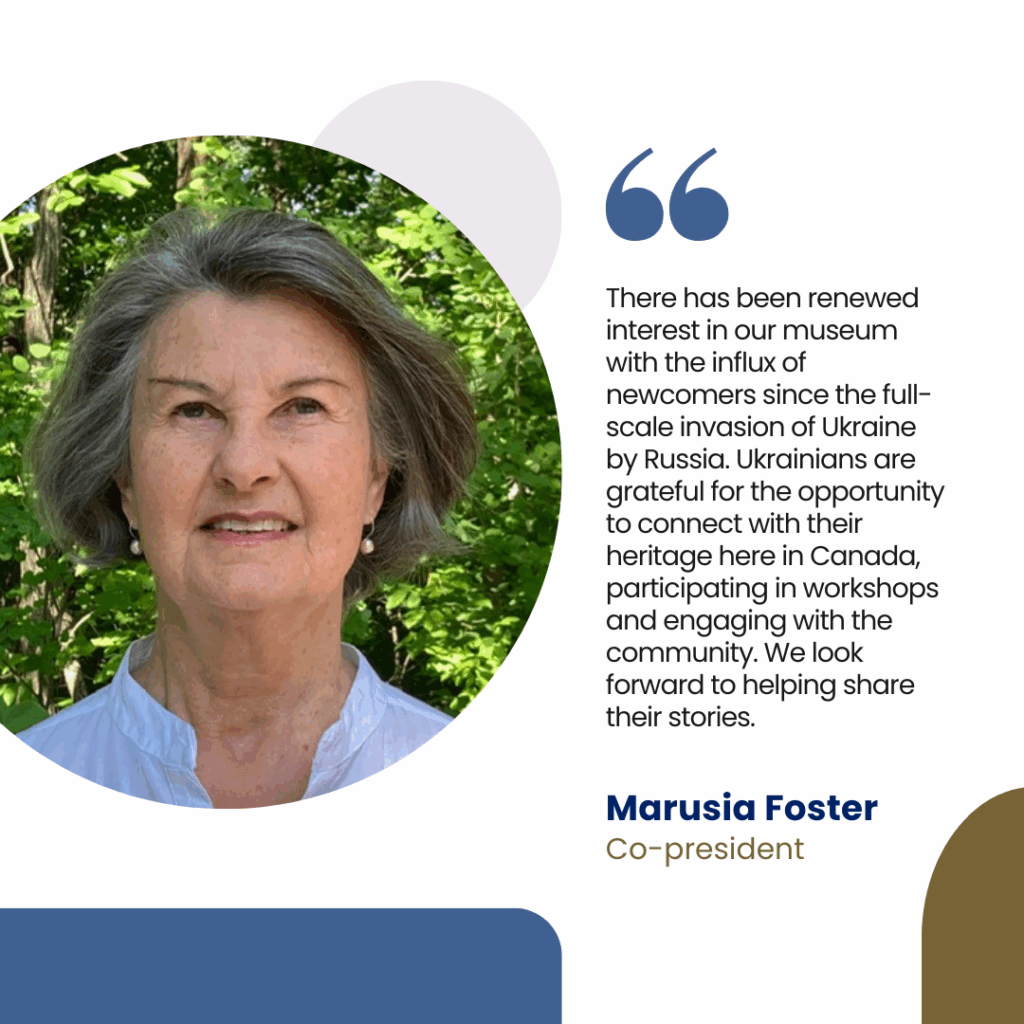
The Ukrainian Museum of Canada was founded in 1936 by the Ukrainian Women’s Association of Canada and is a member of the Ukrainian Self-Reliance League family of organizations. The Manitoba branch dates back to 1928 when a group of Ukrainians participated in an exhibit of traditional items by thirteen ethnic groups of “new Canadians,” sponsored by the Canadian Handicraft Guild in Winnipeg.
Housed at the Ukrainian Holy Trinity Metropolitan Cathedral in Winnipeg, the permanent collection is comprised of historical regional apparel, household textiles such as kylymy (tapestries) and rushnyky (embroidered cloths), archival items including books, postcards, letters, photographs and slides, a large collection of pysanky (Easter eggs), and a number of handcrafted wooden items and ceramics.
Did you know…
- In 1992, to commemorate the 100th anniversary of Ukrainian settlement in Canada, UMC Manitoba together with the Ukrainian Women’s Association of Canada commissioned a sculpture entitled “Pioneer Family” by internationally acclaimed artist Leo Mol. This gift to the citizens of Winnipeg resides in the Leo Mol Sculpture Garden at Assiniboine Park in Winnipeg.
- UMC Manitoba is recognized as a “Standing Museum” by the Association of Manitoba Museums.
LEARN MORE https://umcmb.ca/
Ukrainian Museum of Canada, Calgary Collection
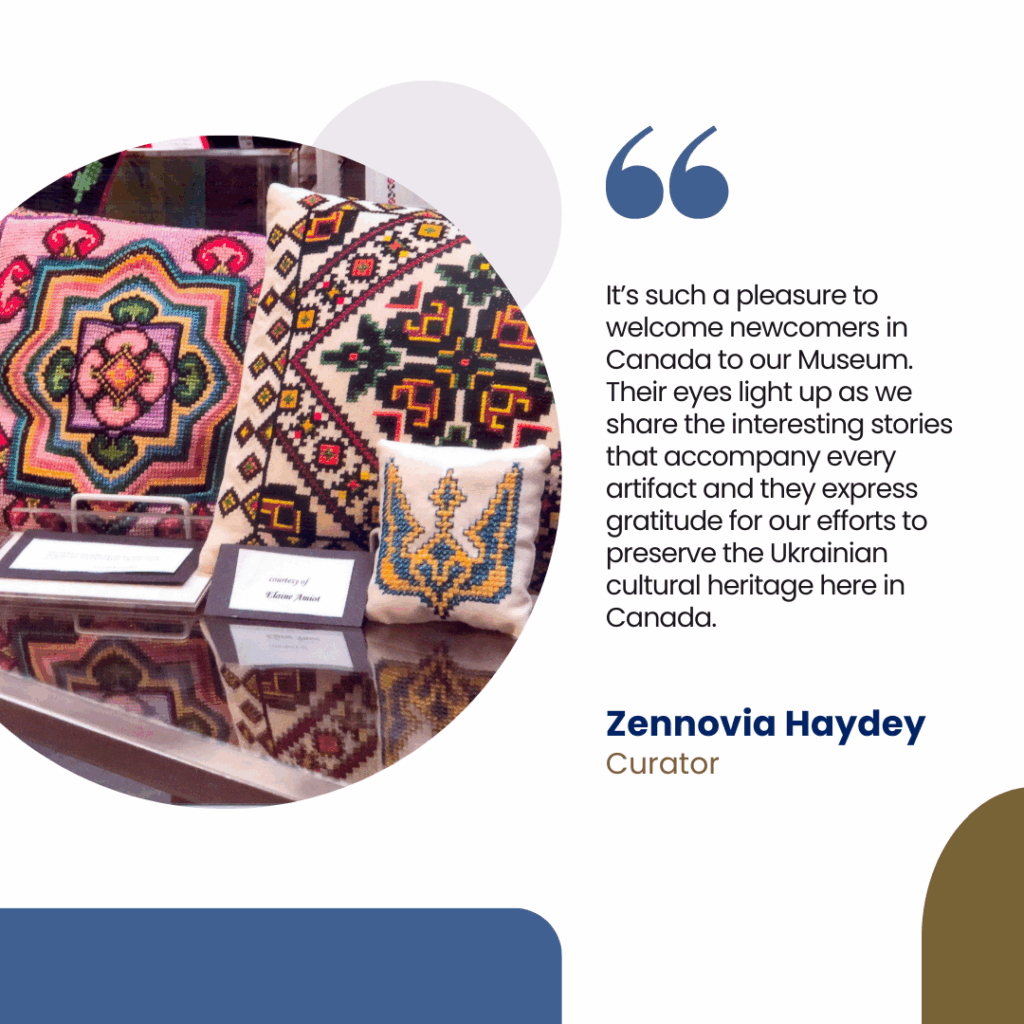
Ukrainian Museum of Canada, Calgary Collection, was formed in 1976 by the women of the Ukrainian Woman’s Association Olha Basarab Branch and is housed at St. Vladimir’s Ukrainian Orthodox Sobor. Its collection features embroideries, kylymy (tapestries), costuming, folk-art and a large collection of pysanky. Artifacts include pieces from early pioneer life in Canada as well as contemporary works.
The museum is a member of the Alberta Museum Association and a branch of the Ukrainian Museum of Canada.
Did you know…
- The dedicated volunteers of the Calgary-based UMC focus on educational programming. Group tours cater to adult and senior groups, while school tours are tailored to children in the Grade 3 and 4 Social Studies program. These tours feature Christmas and Easter Traditions and a Dance and Pysanka Series as well as a museum and church visit.
LEARN MORE https://www.stvlads.com/museum
Musée Ukraina Museum
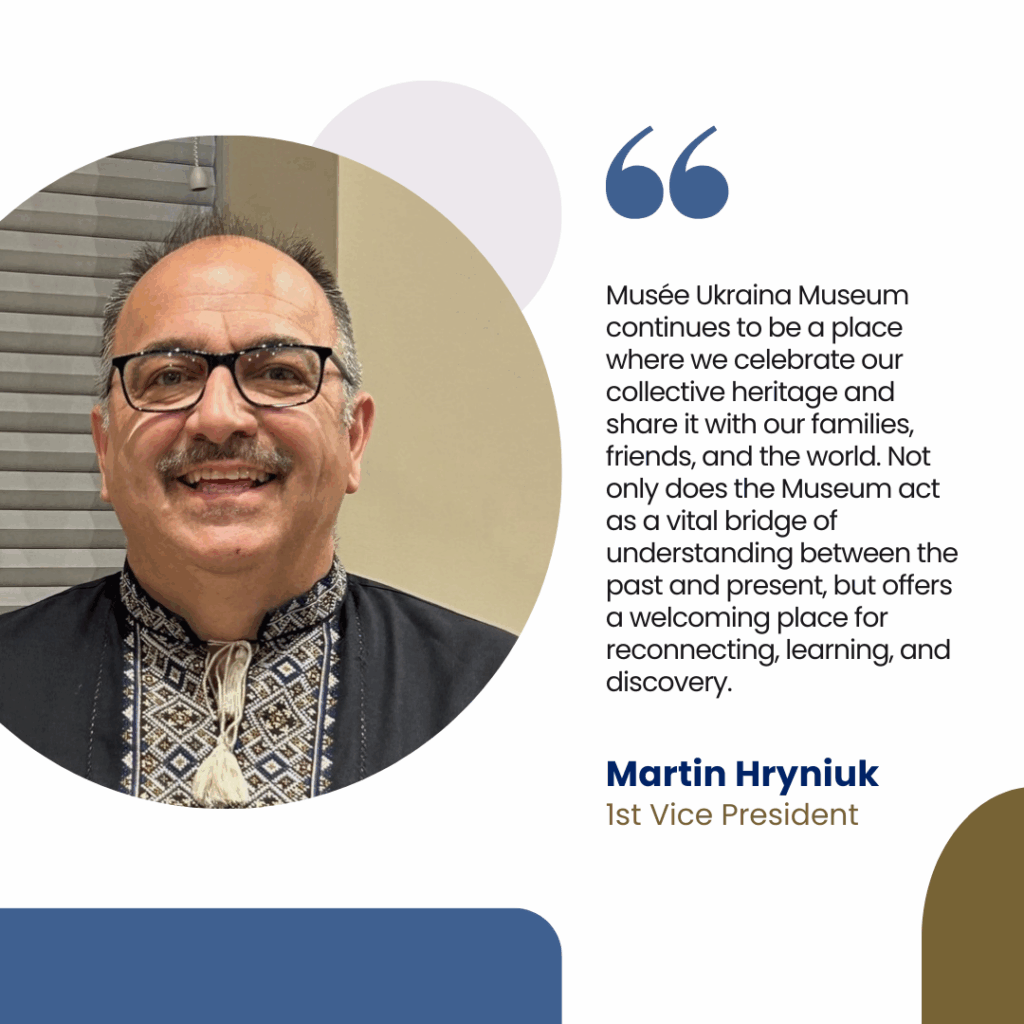
Located next to the Ukrainian Catholic Cathedral of St. George, Musée Ukrainian Museum offers tours highlighting the rich Ukrainian Eastern Byzantine rite architecture, as well as the art and iconography which beautifies the church.
Upon entry to the Museum, the first striking feature is the Religious Gallery containing components of now closed prairie churches – all of which celebrated spiritual values.
The Permanent Gallery showcases the cultural and historic story of the Ukrainian people displaying a sample of the 20,000 plus treasures within the Museum’s collection of traditional Ukrainian folk art and artifacts. The Feature Gallery presents significant exhibits by internationally renowned artists as well as highlighting local artists.
Did you know…
- Musée Ukraina Museum Inc. is located in a heritage district of Saskatoon where, in early days, the area was populated with a kaleidoscope of new immigrants to Canada. What has evolved on Avenue M – Sister Theodosia Lane, is a centre for religious and cultural life.
- The large Iconostasis (wall of icons) upon entry to the Museum was imported from Ukraine in 1925 to St. Nicholas Ukrainian Catholic Church at Brooksby, Saskatchewan.
LEARN MORE https://www.mumsaskatoon.com/
Gardenton Ukrainian Museum
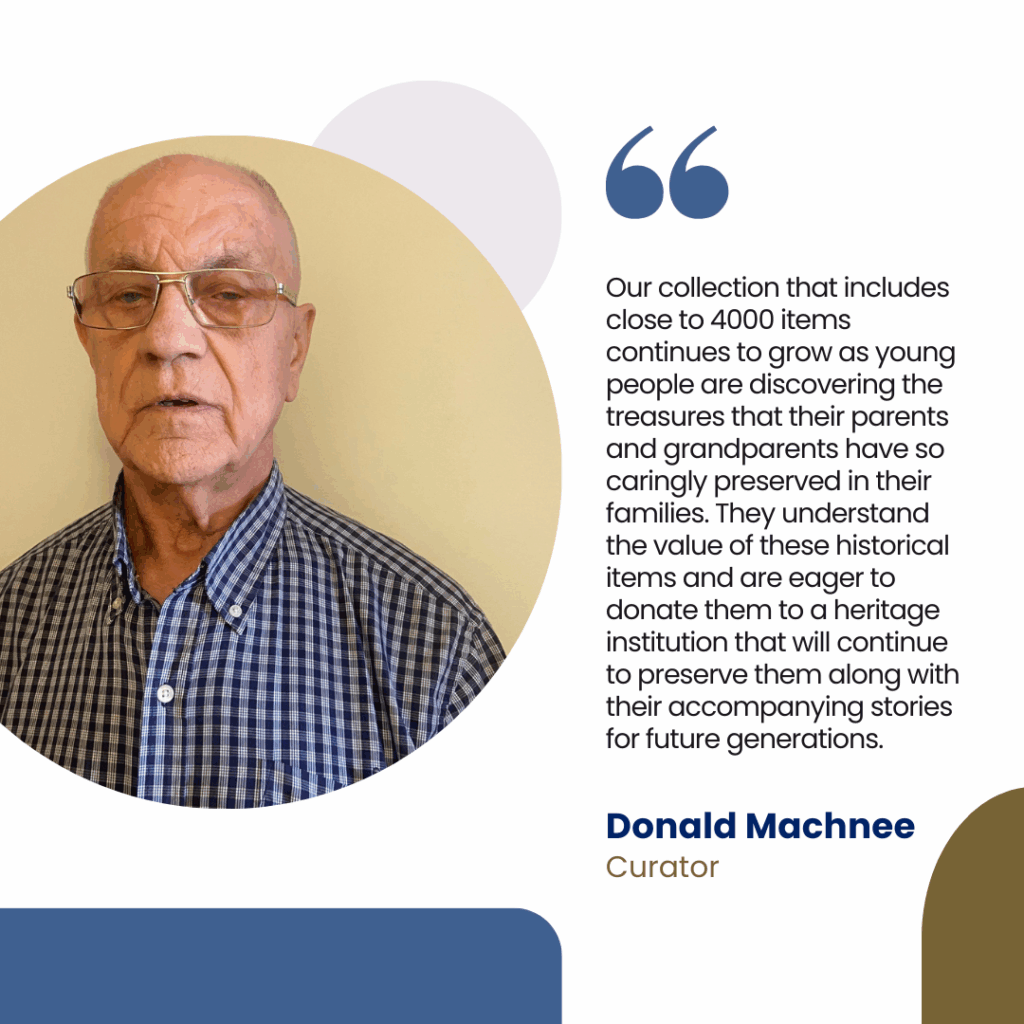
The Gardenton Museum & Village Society is a non-profit organization formed in 1974 to preserve Ukrainian heritage in the RM of Stuartburn, Manitoba. Since then, it has become home to festivals, community events and recreation, and so much more.
All of the artifacts, including household items, axes, scythes, clothing from different regions of Ukraine, and kylymy (tapestries), have been donated by original Ukrainian settlers in Canada, primarily from the Bukovyna region of Ukraine.
Did you know…
- The Gardenton Ukrainian Museum and Village Society was recently recognized in the Manitoba Legislature for 60 years of dedication to sharing the rich history of Ukrainians in Manitoba, preserving artifacts from some of the earliest Ukrainian pioneers in the province.
- The community is home to St. Michael’s Ukrainian Orthodox Church, the first permanent Ukrainian church erected in Canada and consecrated in 1899.